

Introduction
Assalamu Alaikum, dear food enthusiasts! Today, let’s dive into the heart of Pakistani gastronomy and explore the divine flavors of Haleem. Join me on a journey through its origins, the traditional tools that weave its magic, the art of selecting the perfect meat cuts, and the aromatic alchemy of Shan Haleem Mix.
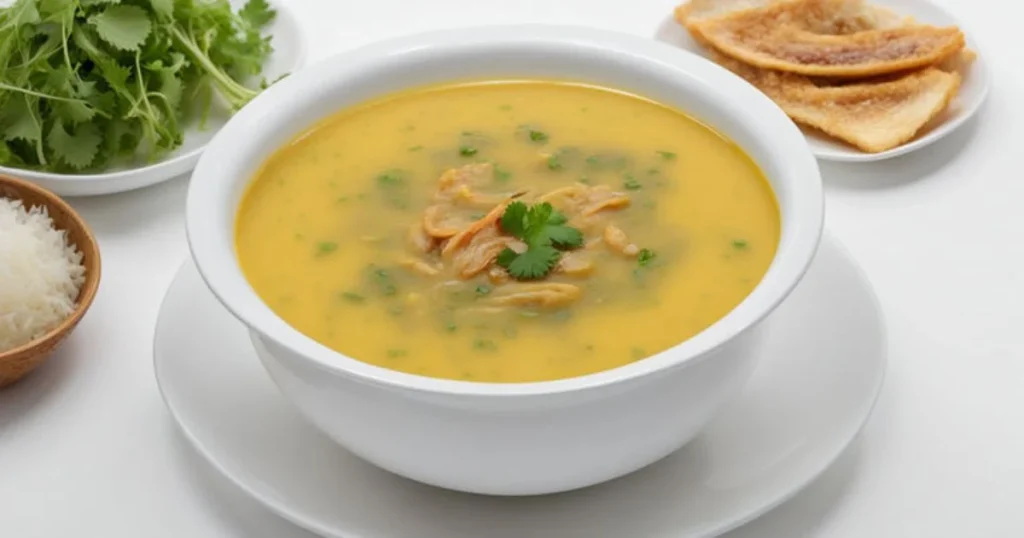
Haleem, a dish that transcends generations, holds a special place in the hearts and kitchens of every Pakistani. Its rich history, aromatic spices, and the slow-cooked symphony of grains and meats make it a culinary masterpiece.
Table of Contents
Origin and History
Originating from the Mughal era, Haleem was introduced to the Indian subcontinent as a nutritious dish during the holy month of Ramadan. Over centuries, this slow-cooked delight has evolved into a symbol of communal harmony and is cherished in homes across Pakistan.
How to Use Traditional Tools
The essence of Haleem lies not just in its ingredients but also in the traditional tools used to prepare it. The deg (cauldron) and the chamcha (wooden ladle) play a crucial role, creating a dance of flavors as they slowly stir and meld the ingredients.
Tips and Tricks
Unveil the secrets to perfect Haleem with these cherished tips:
- • Meat Matters: Opt for a mix of meats for a symphony of flavors. Chicken, mutton, and beef each contribute their unique essence.
- • Cutting Wisdom: Choose cuts like beef shank, mutton shoulder, and boneless chicken for a perfect texture. The slow-cooking process transforms these cuts into succulent, tender morsels.
- • Grains Galore: A mix of wheat, barley, and lentils adds depth and richness to the Haleem. Soak them well for a creamy consistency.
Which Meat is Used to Make Haleem?
Meat Selection and Cuts
Haleem’s magic lies in the artful blend of meats. The cuts to embrace:
- • Beef Shank: Known for its rich flavor and gelatinous texture, beef shank adds depth to the Haleem.
- • Mutton Shoulder: Tender and juicy, mutton shoulder infuses the dish with a robust meaty essence.
- • Boneless Chicken: The white meat of chicken brings a subtle, delicate touch to the overall flavor profile.
The Foundation: Which Lentils to Choose?
- Chana Dal – The Robust Base
At the core of a sublime haleem experience lies Chana Dal. Its robust flavor and creamy texture provide a solid foundation, creating a velvety consistency that defines the dish. The slow-cooking process allows the Chana Dal to break down, enhancing the overall richness of the haleem. - Masoor Dal – The Earthy Essence
To infuse a deep, earthy essence into your haleem, embrace the inclusion of Masoor Dal. Known for its quick cooking time and distinct flavor, Masoor Dal complements the heartiness of Chana Dal, contributing to a harmonious blend of tastes. - Urad Dal – Creaminess Redefined
For a touch of creaminess that elevates your haleem to unparalleled heights, incorporate Urad Dal. This lentil adds a velvety smoothness, transforming the dish into a luscious indulgence. The unique texture of Urad Dal ensures a delightful mouthfeel in every spoonful. - Moong Dal – The Balancing Act
Revamp your haleem game by embracing the delightful fusion of richness and airiness with the addition of Moong Dal. This lentil contributes a subtle, sweet symphony to the culinary stage, orchestrating a seamless blend with the myriad profiles of its lentil companions. The outcome? A haleem that transcends mere heartiness, offering a refreshingly palatable experience that dances on the taste buds. - Toor Dal – Nutty Nuances
For those who appreciate nutty nuances in their haleem, the inclusion of Toor Dal is a game-changer. This lentil contributes a distinct nuttiness, enhancing the overall complexity of flavors. It adds a layer of depth that keeps the palate intrigued.

Selecting the Best Seasoning Mix “Shan Haleem Mix”
Elevate your Haleem experience with Shan Haleem Mix. This spice blend, crafted with a symphony of aromatic spices, is the secret to unlocking the true essence of this beloved dish.
How to make Haleem
Enjoyed this recipe? Get more!
Join our community of food lovers